
About the lab
Exploring how soil, plants and microbes interact across ecosystems
Ecobiome Laboratory is an interdisciplinary research group combining molecular biology and microbial ecology to understand the relationships that shape soil, plant and ecosystem health.
Our mission
Fostering Resilience Through the Web of Life Beneath Our Feet
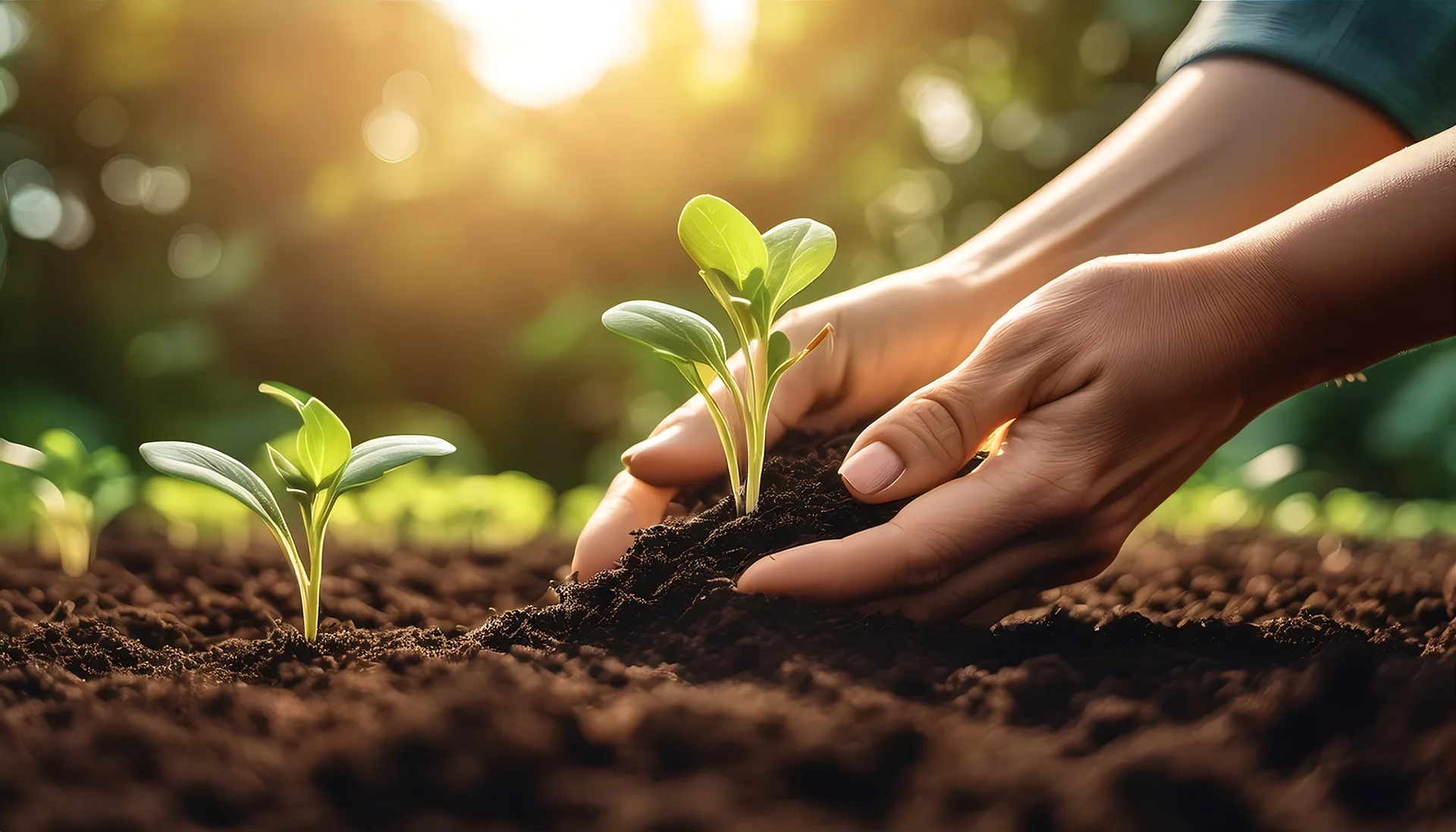
Plants do not grow, defend themselves, or adapt to a changing climate in isolation. Every root is embedded in a living community of bacteria and fungi that shapes its nutrition, stress tolerance and health.
Our researchers combine molecular biology and microbial ecology to ask how soil microbiomes and plant health influence one another — and what this means for ecosystem resilience, agriculture and climate adaptation.
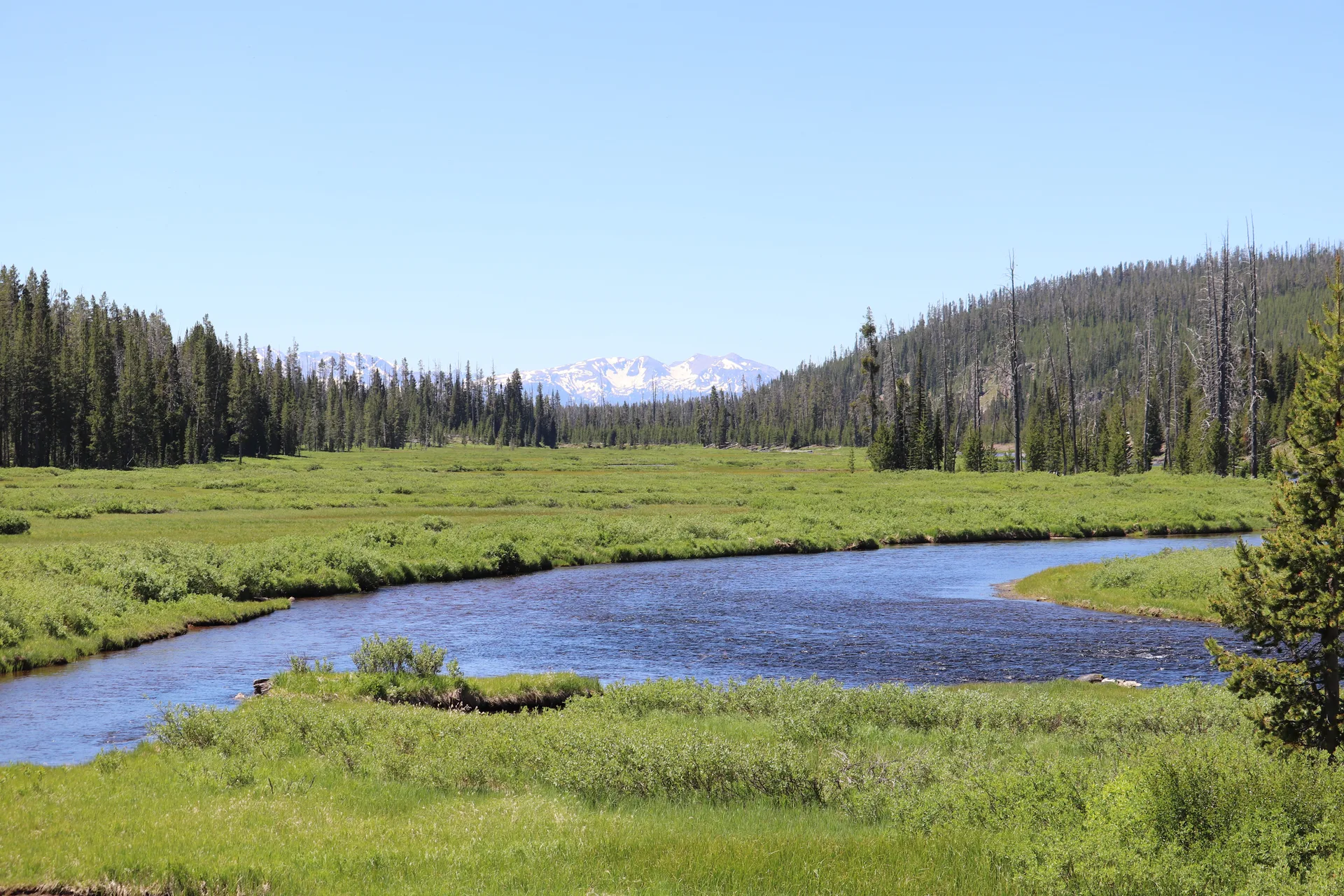
Every project we run moves between three settings: the open field, where interactions are first observed; the growth chamber, where conditions can be controlled; and the molecular laboratory, where mechanisms are confirmed.
Our Approach
From Field Observation to Molecular Proof
Vision
Healthy Soil, Safe Food, Resilient Futures
A future where soil is recognized as living infrastructure — as essential to climate resilience and food security as any technology we build above ground. We envision agriculture and land management systems designed around the microbial partnerships that already sustain plant life, so that productivity and long-term health are no longer competing goals.
By making the invisible workings of soil visible — to researchers, growers and policymakers alike — we aim to help shift how land is managed: from treating soil as a substrate to treating it as a living system worth protecting, one that ultimately determines the safety and quality of the food we grow.
How we work
We work across three connected settings: the open field, where we observe real interactions; the growth chamber, where we isolate variables; and the molecular lab, where we identify the mechanisms behind them. This progression — from pattern to mechanism — turns findings into practical tools: microbial products, diagnostic markers and management practices that hold up beyond the lab.
Evidence only matters if it reaches those who can act on it. Through consulting, technical advice and knowledge transfer, we work directly with growers, industry and policymakers to put what we learn into practice.
"There can be no life without soil and no soil without life; they have evolved together."
— Dr. Charles Kellogg, soil scientist
Explore
Find your way around the lab.
Research
Eight research areas, from molecular mechanisms to landscapes.
OpenFacilities
Molecular, microscopy, growth-chamber and field infrastructure.
OpenCollaboration
Our international partners, exchanges and joint work.
OpenPeople
The researchers, students and staff behind the lab.
OpenProjects
Six active and recent projects, with methods and outcomes.
OpenPublications
Searchable list of papers from 2023 to 2026.
OpenNews & Events
Fieldwork updates, conferences and announcements.
OpenServices
Analysis, sequencing, field and consultation support.
Open